


Visual guide
Infographics
10 visual guides to autism and 10 to ADHD. Every guide can be read and downloaded in four languages.
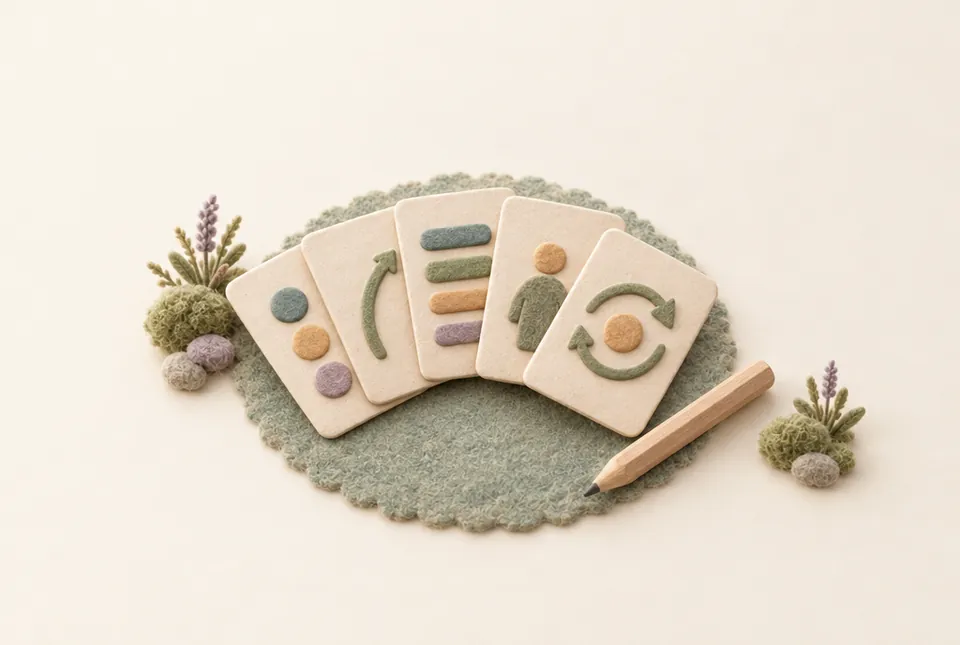
 01
Autism
A spectrum, not one profile
- Communication varies
- Sensory needs vary
- Support is individualised
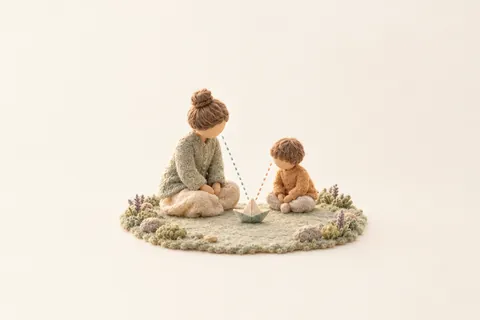 02
Autism
Understanding shared attention
- Notice the interest
- Join the child’s play
- Allow time to share
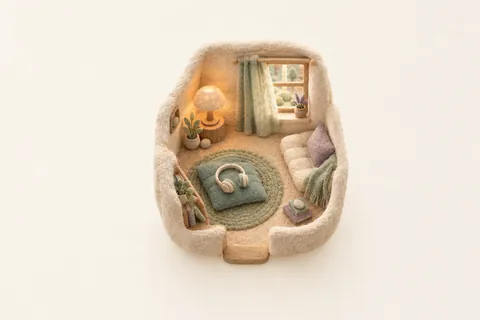 03
Autism
A sensory needs map
- Observe sound and light
- Offer a comfortable space
- Respect the child’s choice
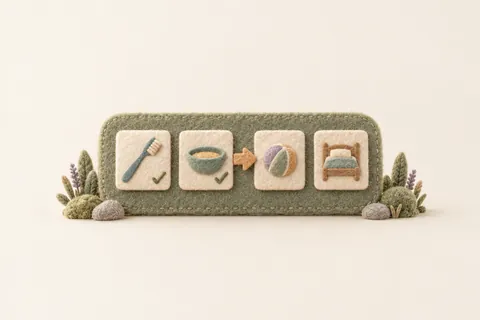 04
Autism
A visual daily plan
- What are we doing now?
- What happens next?
- Show what is finished
 05
Autism
Many ways to communicate
- Listen to words
- Accept gestures
- Support pictures and communication aids
 06
Autism
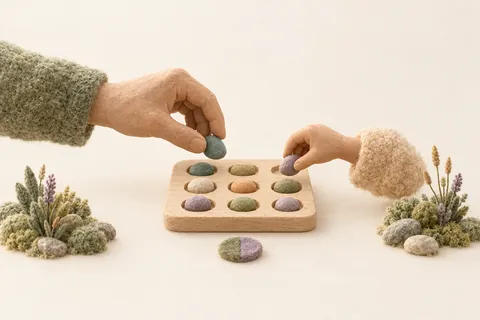
Taking turns in play
- Join the chosen game
- Offer a short turn
- Wait for a response
 07
Autism
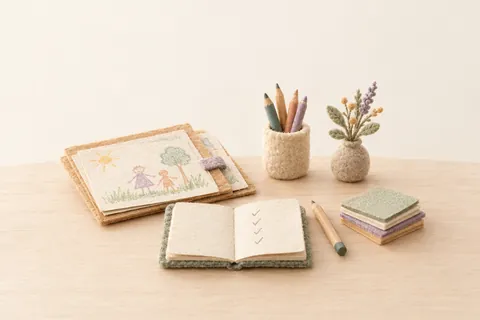
Support during overwhelm
- Make the space safe
- Reduce demands and stimulation
- Reflect together when calm
 08
Autism
Preparing for an assessment
- Note concrete examples
- Gather developmental history
- Bring questions to the professional
 09
Autism
Separating facts from myths
- Vaccines do not cause autism
- Needs may change over time
- Support focuses on quality of life
 10
Autism
Seeing strengths
- What does the child enjoy?
- What brings comfort?
- What can we try together?
 01
ADHD
Three areas of ADHD
- Attention regulation
- Activity level
- Impulse regulation
 02
ADHD
No single test
- Developmental history
- Information from multiple settings
- Assessment of other explanations
 03
ADHD
Break tasks into steps
- Show one step
- Allow time to finish
- Move to the next step
 04
ADHD
Specific positive feedback
- Notice the effort
- Say what worked
- Choose meaningful encouragement
 05
ADHD
Movement and breaks
- Choose a short activity
- Plan a break in advance
- Return when ready
 06
ADHD
Pay attention to sleep
- Keep a regular routine
- Create a calm evening transition
- Discuss persistent difficulties with a clinician
 07
ADHD
Home and school partnership
- Choose a shared goal
- Share helpful support
- Notice small progress together
 08
ADHD
Naming emotions
- Listen without judgement
- Make space to calm down
- Then explore solutions together
 09
ADHD
A place for everyday things
- Choose a place
- Label it with a picture
- Practise putting things back together
 10
ADHD
When to seek support
- When daily life is difficult
- When learning and relationships are affected
- Ask for a professional assessment